

Before treatment, a comprehensive medical history should be taken to develop an individualized treatment plan, and the cryotherapy equipment should be prepared. During treatment, either contact or non-contact methods should be used. After treatment, the lesion site should be kept clean and dry, local reactions observed, and patients informed of regular follow-up appointments. Parents of children should bring their children for follow-up appointments as scheduled.
Patient Assessment: A comprehensive medical history should be taken, including past medical history and allergies. A detailed assessment of the lesion site should be conducted, including its size and nature, to develop an individualized cryotherapy plan. For children, special attention should be paid to their psychological state, using gentle communication to reassure them and ensure their cooperation with treatment.
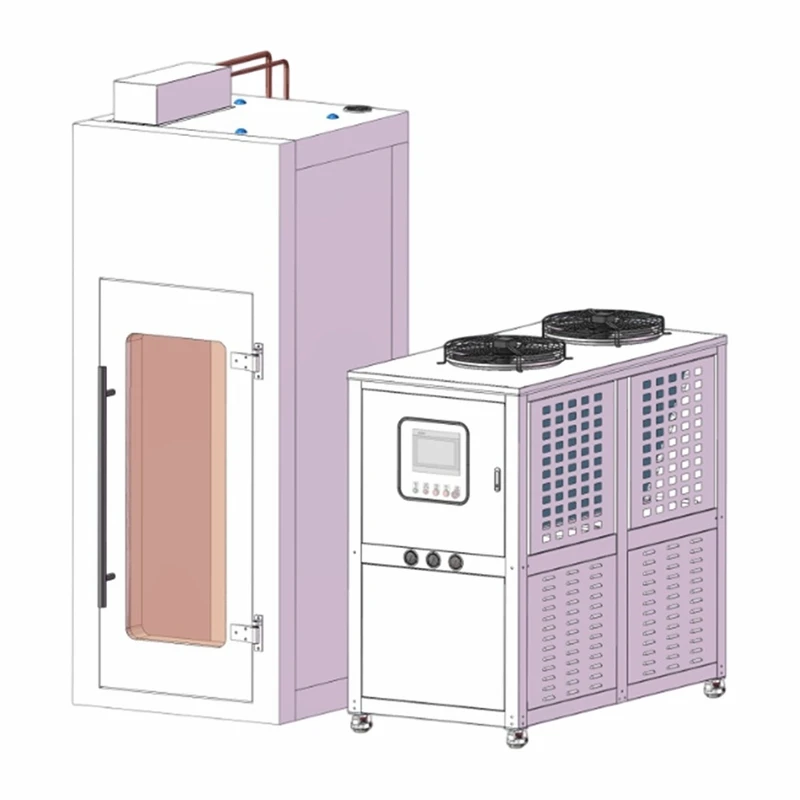
Equipment Preparation: The performance of the cryotherapy equipment should be checked, ensuring sufficient refrigerant (such as liquid nitrogen). Freezing temperature, time, and other parameters should be adjusted to the appropriate range. All necessary instruments for cryotherapy (such as cryoprobes) should be prepared and strictly sterilized.
During Treatment: Contact Cryotherapy: If contact cryotherapy is used, the cryoprobe should be placed tightly against the lesion site. The freezing time should be set according to the lesion condition. Typically, one freezing and thawing cycle constitutes one treatment cycle, and 1-3 cycles are generally performed. During the freezing process, close observation of changes in the color of the lesion tissue is necessary.
Non-contact cryotherapy: The freezing effect is controlled by adjusting the distance between the cryotherapy source and the lesion site. Appropriate freezing parameters are set according to the extent of the lesion to ensure that the freezing range accurately covers the lesion area.